
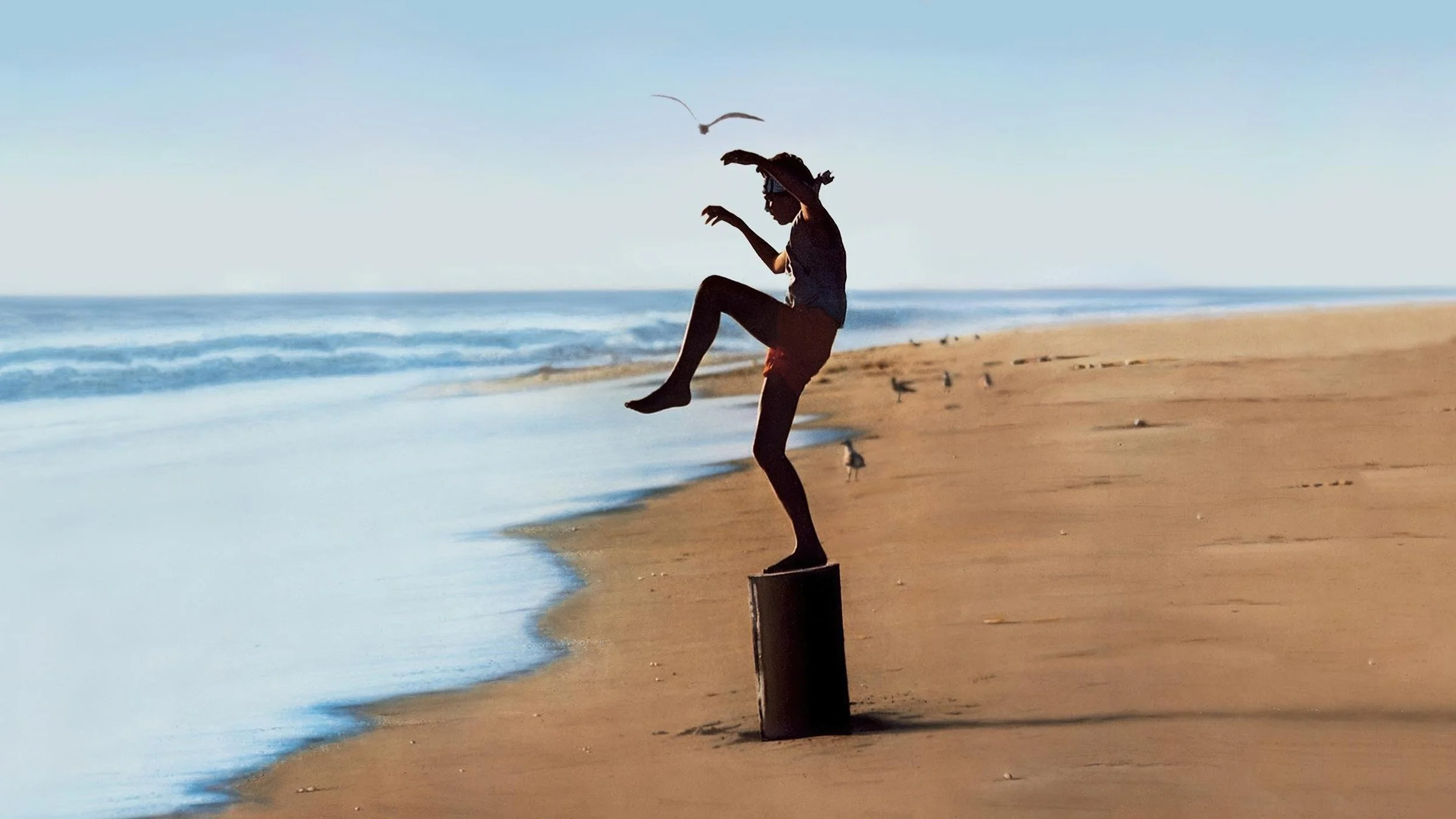
Balance Isn’t a Destination (Lessons from the 80s and a Balance Board)
“Happiness is not a matter of intensity but of balance, order, rhythm and harmony.”
What do an 80s karate movie and a balance board have to do with finding balance in life?
More than you might think.
Ok, seriously, what’s not to love about 80s movies?
Back to the Future, Big, Breakfast Club, Coming to America, ET, Star Wars: Empire Strikes Back, Ferris Bueller’s Day Off, Indiana Jones: Raiders of the Lost Ark, Princess Bride, Rad, Space Balls, The Color Purple, The Goonies, Top Gun…just to name a few :) So many memorable characters, story lines, scenes, lines, and messages.
We’ve looked at some iconic 80s movies in previous posts: The Whisper Technique (Field of Dreams), Meat Loaf, Smeat Loaf (Christmas Story), Failing to Plan (Ferris Bueller’s Day Off) and Reduce Your Christmas Stress (Christmas Vacation). We even had a brief look at Karate Kid in All In.
So I guess that makes this post a sequel!
In Karate Kid, the beloved Mr. Miyagi taught Daniel-san a great many things — but perhaps one of the most important was balance. While Daniel was eager to punch and kick, Mr. Miyagi insisted that balance came first.
And maybe that lesson extends far beyond karate.
Because if Mr. Miyagi taught us anything, it’s this:
Finding balance in life isn’t something you achieve once — it’s something you practice continually.
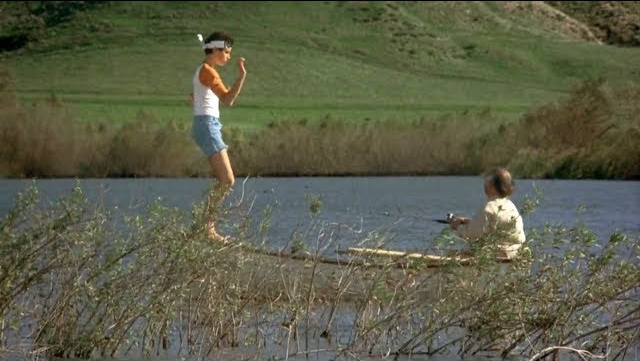
CLIP - Mr. Miyagi teaching Daniel about balance
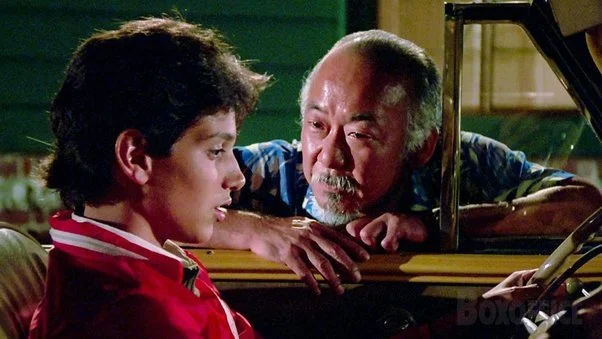
CLIP - Balance lesson beyond karate
The Balance Board Lesson
Years ago a buddy of mine who grew up skateboarding (and later snowboarding), had a balance board at his house. At that time, I had never skateboarded, snowboarded, surfed, or done anything similar.
So naturally I watched him first.
Then I tried.
Long story short — I remain to this day a novice at best on a balance board. Although it did come in handy on a snowboarding trip we went on a few years later.

Striving to achieve balance
But the real lesson wasn’t athletic.
The moment I stepped onto that board and lifted it off the ground, balance required effort. Micro-adjustments. Attention. Engagement. The second I stopped trying to stay in balance, the board tipped, touched down, and I started again.
What stayed with me was this:
Balance is not a state you arrive at — it is an ongoing process of adjustment.
And perhaps nowhere is that more true than in life itself.
When Life Feels Out of Balance
Many of the seasons of life that feel most stressful aren’t simply busy — they’re unbalanced. Sometimes that imbalance comes from taking on too much responsibility or stretching ourselves beyond sustainable limits, something I explore more deeply in my post on Work Overload.
We feel stretched thin.
Overcommitted in one area.
Neglecting another.
Running fast, but drifting sideways.
Balance touches every area of life — family, friendships, fitness, finances, faith, fun, work, and rest.
For some, the new year invites reflection through goals and resolutions. For others, seasons like Lent invite reflection through detachment and reorientation. Whether your desire is to pursue growth, reduce a habit, deepen relationships, strengthen prayer, or improve well-being, the same dynamic applies.
Balance rarely happens accidentally.
It usually emerges through awareness, intentionality, and follow-through.
If planning and goal setting as well as follow-through are areas you want to explore further, I unpack those ideas more fully in Failing to Plan and Intention.
Signs Your Life May Be Out of Balance
Sometimes imbalance isn't obvious at first. It often shows up through subtle signals in daily life. You might notice:
Feeling constantly rushed or overwhelmed
Neglecting relationships or personal health
Difficulty being present even during rest
Feeling like you're always reacting instead of choosing
Losing time for faith, reflection, or meaningful activities
These signals aren’t failures — they aren’t evidence that you aren’t good enough. They’re invitations to pause and reassess where balance might require greater attention.
In my work with clients, the struggle to find balance shows up in many different ways. Sometimes it’s someone feeling stretched thin between work and family responsibilities. Other times it’s a sense that life has slowly drifted away from the things that matter most. Often people don’t realize how out of balance things have become until the stress, exhaustion, or disconnection becomes difficult to ignore.
So how do we begin practicing balance again?
What Finding Balance Actually Looks Like
Think of it like stepping onto that board.
1. Notice where you feel unsteady
Ask yourself: where do I feel out of balance right now? What is drawing my attention to this? What is my “why” for wanting change?
2. Define what balance means for you
We live in a culture saturated with voices telling us what life should look like. But balance is personal. It reflects your values, responsibilities, season of life, gifts, and commitments. What is balance for one person may not be for another.
3. Embrace process over perfection
Even skilled balance boarders cannot hold a pose indefinitely. Balance requires continual adjustment. Progress matters more than permanence.
“Life is like riding a bicycle. To keep your balance, you must keep moving.”
4. Create a realistic plan
Goals don’t exist in isolation. Life continues to move. Sometimes the most helpful step is temporarily setting aside secondary goals to gain traction on what matters most. (Trust me — trying to play cornhole on a balance board, like my buddy and I did, is far harder than it sounds. At least it was for me. That one belongs on ESPN 8: The Ocho.)
5. Follow through
Intention alone does not create change. Revisit your why. Recommit when needed. Step back onto the board.
Falling Is Part of the Practice
Even with clarity and effort, balance can still feel elusive.
Sometimes the plan isn’t clear.
Sometimes obstacles — internal or external — get in the way.
Sometimes we simply feel stuck.
If that’s where you are, you’re not alone.
Balance isn’t about never tipping. It isn’t about locking into a fixed position or achieving perfect equilibrium. Life is fluid, and so is balance.
It’s also not about how many times the board touches the ground.
Each moment of reset is another opportunity to practice resilience.
To try again.
To adjust again.
To step back onto the board again.
Maybe Mr. Miyagi knew all along — balance isn’t the absence of falling, but the willingness to keep returning to center.
And sometimes learning to find that balance is easier when you’re not trying to do it alone. If cultivating greater balance in life is something you’ve been wrestling with, it may be worth having a conversation about it.
A Simple Way to Practice Balance
Finding balance in life often begins with a few simple steps:
Notice where life feels out of balance
Define what balance means in your current season
Focus on progress instead of perfection
Create realistic plans and priorities
Recommit when life shifts
Bonus fun below…this young girl picked up balance board way faster than I ever did! She crushes it!
Balance board skill demonstration
Balance board skill demonstration
Balance board skill demonstration
